What a prop firm really is, from the inside
#prop-firms . #trading . #build-in-public
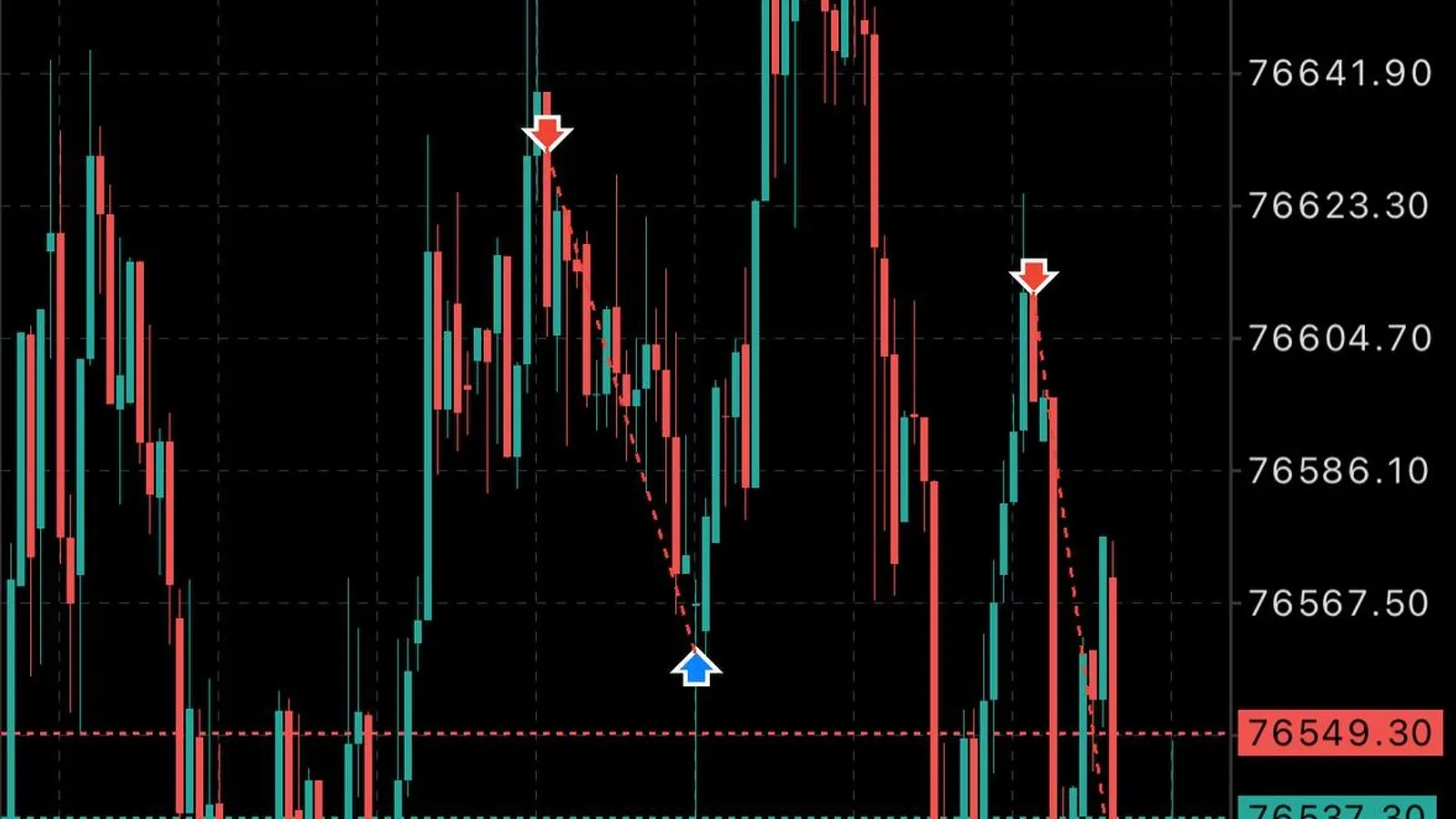
A prop firm, short for proprietary trading firm, gives you a funded account to trade in exchange for passing a test and splitting the profits. That is the clean definition. Here is the messier truth, from someone who actually used them.
For a while, prop firm challenges were the easiest cashflow I had ever found. Not because I was a genius trader. Because the rules, for a window of time, were generous enough that you did not have to be.
The window when it was easy
Two firms, FundingPips and Maven Trading, had rules I could work with. You could clear a challenge with basically one good trade, sizing the risk around 3.5 to 4 percent. So the math was simple. Buy a handful of cheap challenge accounts, place a few right trades, and inside a week you had funded accounts you could pull a profit out of. Then you did it again.
The quiet thing nobody says: in that setup I did not need to overtrade, and I did not need to be a brilliant trader. I needed to not be greedy, and to let one clean setup do its job. The rules rewarded patience and a single good decision. That is a very different game from trading well every day for years.
Then the rules changed
What happened next was predictable, looking back. Enough traders figured out the same thing. The firms watched their numbers, understood they were bleeding, and adapted the rules so that over a long run the trader loses again. Fairly, honestly. It was their business to protect.
It stung in the moment. But it taught me something I needed: an edge that comes from someone else’s rules is not your edge. It is a window, and windows close. The only durable edge is the one that survives after the rules tighten, and for most people in trading, that edge does not exist.
Why trading is a harder job than it looks
Here is the part the hype accounts skip. To actually be the trader, long term, you have to be serious and disciplined every single day. Not on your good days. Every day. That is brutally hard even if your technical skill is excellent.
I will be blunt about the odds. Losing money while you learn is normal. After a while it feels a bit like a casino: you lose, and you stop really feeling it. That is not a personal failing, it is the design. The market is built so that most people who try it lose. Most realize, eventually, that it is very hard, and that being disciplined enough takes years of training, not a weekend course.
Where trading sits in my life now
For about two years I traded on and off. Not all in, not fully quit. The honest reason is that it is stressful, and when you have easier income coming from other things, you put your focus where the money is less painful to earn. Not romantic. Just what someone who needs to pay for life actually does.
I still respect trading. I just stopped pretending it had to be the main thing.
If you are about to buy your first challenge
A friend messaged me recently saying he was about to buy his first prop firm challenge. Here is what I told him. Go for it if you want to. It is genuinely worth trying and you will learn fast. Just go in knowing the truth: the easy windows close, the long game is hard, and most people lose before they get disciplined enough to stop. Size your risk like an adult, do not chase, and do not bet money you need to live on.
If you want a second set of eyes on entries while you learn, I run a signals service at tgsignals.com. No promises of getting rich, that is not how I run it. Just clean setups and honest risk.
The longer version of why I am writing any of this down is over here.